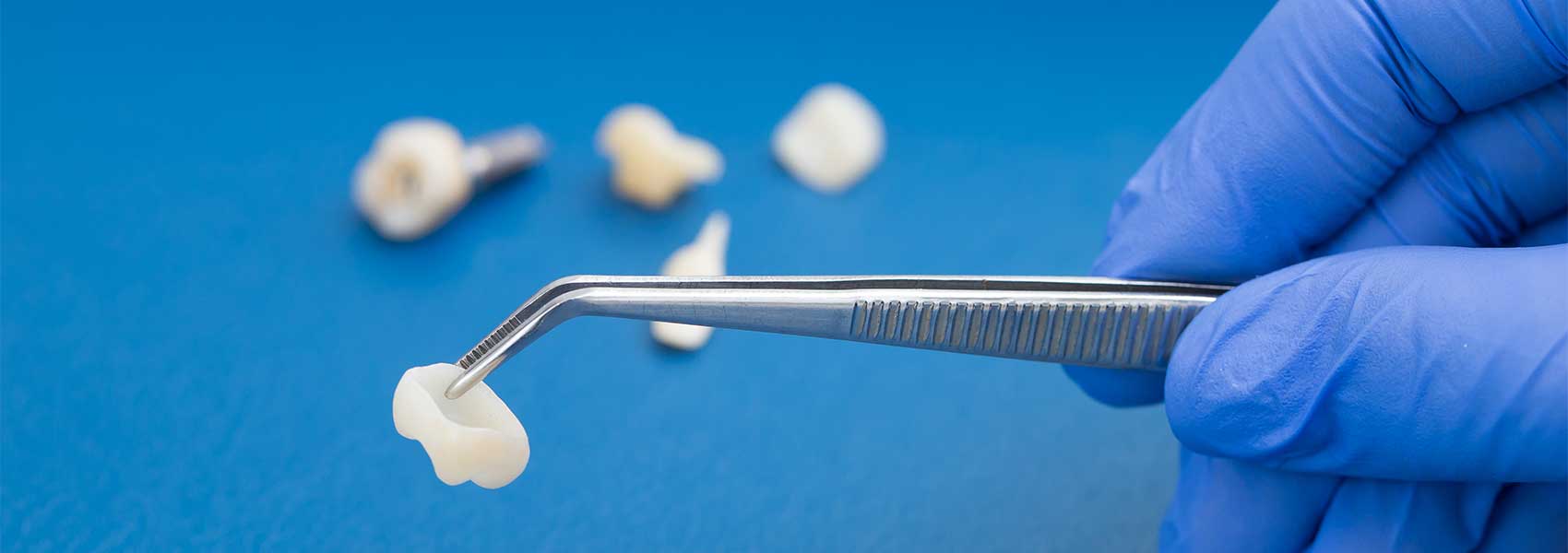
You’ve heard the debates: "Zirconia is the strongest," or "e.max is the most beautiful." In the ever-evolving world of restorative dentistry, these two materials have emerged as the top contenders for all-ceramic crowns, veneers, and bridges. But the truth is, neither is unilaterally "better" than the other. Instead, they are two different tools, each with unique advantages and disadvantages that make them ideal for specific clinical situations.
Understanding these differences is key to making the right choice for your patient and ensuring a long-lasting, esthetic outcome.
IPS e.max: The Esthetic Champion
IPS e.max, a lithium disilicate glass-ceramic, is renowned for its unparalleled esthetics. Its defining feature is its translucency, which mimics the way natural teeth interact with light. This opalescence allows it to blend seamlessly with surrounding dentition, making it the material of choice for highly visible restorations.
Advantages of IPS e.max
- Superior Esthetics: Offers a lifelike appearance with a wide range of shades and varying translucency levels.
- Conservative Preparations: Its strength allows for thinner, more conservative preparations, which helps preserve healthy tooth structure. A minimum of 1.0mm is required, but it can be bonded successfully even with less.
- Bondability: e.max can be bonded to the tooth structure with resin cement, which significantly increases the final restoration's strength and longevity.
Disadvantages of IPS e.max
- Lower Strength: With a flexural strength of approximately 400-500 MPa, it's not as strong as monolithic zirconia. While strong enough for most single-unit restorations, it is not recommended for long-span bridges or for patients with bruxism (teeth grinding).
- Technique-Sensitive Bonding: The bonding process for e.max is more technique-sensitive and requires a perfectly dry field, which can be challenging in a posterior setting.
Zirconia: The Strength Powerhouse
Zirconia, a crystalline metal oxide, is often referred to as "white metal" due to its exceptional durability and strength. It is the go-to material for situations where strength is the primary concern, such as posterior crowns or multi-unit bridges that must withstand heavy occlusal forces.
Advantages of Zirconia
- Exceptional Strength: Monolithic zirconia boasts a flexural strength of up to 1,250 MPa, making it virtually unbreakable in the mouth. It is ideal for patients with strong bites or parafunctional habits.
- Versatile and Biocompatible: Zirconia can be used for a wide range of indications, from single crowns to full-arch bridges. It is also highly biocompatible and well-tolerated by the body.
- Conservative Preps: Because of its high strength, zirconia can be milled to very thin dimensions (as little as 0.5-0.7mm), allowing for more conservative tooth preparation.
Disadvantages of Zirconia
- Less Translucent: Traditional zirconia is more opaque than e.max. While advancements in "high-translucency zirconia" have improved its esthetics, it still lacks the natural light-reflecting properties of lithium disilicate, making it a less ideal choice for the anterior "smile zone."
- Can Be Abrasive: Its extreme hardness can potentially cause wear on opposing natural teeth, especially if the surface isn't properly polished and glazed.
- Limited Masking: The high translucency of some newer zirconia can make it difficult to mask a discolored stump or metal post underneath.
The Final Verdict: It's All About the Case
Choosing between IPS e.max and zirconia comes down to a careful case-by-case analysis. The decision should be based on a balance of three key factors: esthetics, strength, and function.
- For a single anterior crown where esthetics is paramount and occlusal forces are minimal, IPS e.max is often the top choice.
- For a posterior crown or a multi-unit bridge where durability and strength are non-negotiable, zirconia is the superior material.
Ultimately, both materials represent a significant leap forward from older options like PFM (porcelain-fused-to-metal) and provide excellent, long-lasting results. There is no one-size-fits-all solution; the best material is the one that is perfectly suited for the patient's unique clinical needs.
Disclaimer: The information provided in this article is for educational purposes only and is not intended to replace independent clinical judgment. Clinicians should evaluate each case individually and follow manufacturer instructions, current evidence-based guidelines, and their own professional expertise. Chase Dental Lab assumes no responsibility for patient outcomes resulting from the application of the information presented here.